Published · Updated · 7 min read
How to Import a Changan EADO from China: FOB vs CIF, Documents & Timeline
From the first message to the car at your port: what to send, what you get back, and which import rules to check before you pay.
By EVtoU
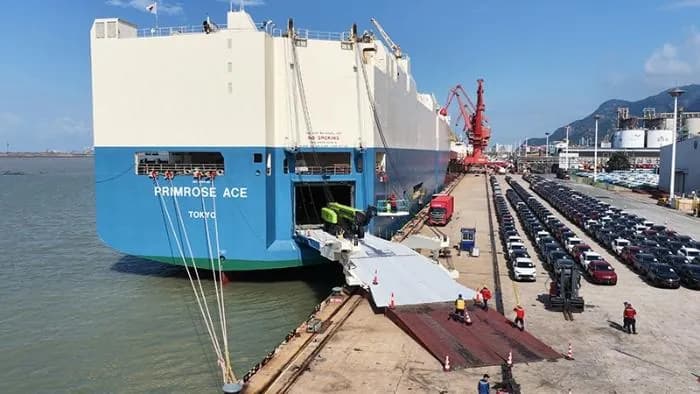
Importing a Changan EADO from China takes five steps: choose the model and trim, agree an FOB or CIF quotation, confirm a proforma invoice, inspect and ship, then clear the car through customs at home. In-stock units can leave China within 10 working days of payment. This guide explains each step and the decisions that change your final cost.
Step 1: Which EADO should I import?
Start from how the car will be used and what your market allows. Current models are the 2026 EADO 1.5T, the 2026 EADO Hybrid and the 2026 EADO Plus 1.4T. If your country limits the age of used imports, check that limit before shortlisting the 2024 or 2023 model years.
| If you need… | Look at |
|---|---|
| Retail stock with modern tech | 2026 EADO Comfort or Smart |
| Lowest fuel cost for a busy fleet | 2026 EADO Hybrid |
| Lowest new-car price | 2026 or 2025 EADO Plus |
| A manual gearbox | 2025 EADO Plus Luxury MT |
| Lowest purchase price overall | Used 2023–2024 EADO |
Step 2: Should I buy FOB or CIF?
Under FOB (Free On Board), the seller's responsibility ends when the vehicles are loaded on the vessel in China; you book and pay for sea freight and insurance. Under CIF (Cost, Insurance and Freight), the seller also pays freight and minimum insurance to your destination port. Both terms are defined in the International Chamber of Commerce's Incoterms® 2020 rules.
- Choose FOB if you already have a freight forwarder with good rates from China.
- Choose CIF if you want one price to your port and less coordination.
- Either way, import duties, taxes and port charges at destination are normally paid by the buyer.
Step 3: What goes on the proforma invoice?
Once you accept the quotation, we issue a proforma invoice (PI). Check that it lists the exact model year, trim, exterior and interior colour, quantity, condition (new, or used with mileage), Incoterm, destination port and payment terms. The PI is the binding specification — if something matters to you, it must be written there.
Step 4: How are cars inspected and shipped?
We coordinate inspection before loading and send photos or video at each milestone. Vehicles then travel either in containers or on Ro-Ro (roll-on/roll-off) vessels:
- Containers protect the car from weather and handling, and allow mixed models in one load.
- Ro-Ro vessels carry vehicles driven on board and suit larger volumes to ports with regular car-carrier calls.
- For mixed orders, we plan container loading to keep the shipping cost per car down.
Step 5: Which documents do I need for customs?
You typically receive the commercial invoice, packing list (with VIN numbers) and bill of lading. Some markets also require a certificate of origin or other certificates — tell us your destination early so they can be arranged before shipment.
How long does the whole process take?
In-stock vehicles ship within 10 working days after payment. Custom or specific models depend on sourcing and preparation, and sales confirm the date in writing. Sea or overland transit time then depends on your route.
What should I check in my own country first?
- Whether used vehicles have an import age limit.
- Which certification or type-approval rules apply.
- Duties, excise and VAT on a 1.4–1.5 litre petrol or hybrid sedan.
- Whether you need an import licence or licensed customs broker.
Our market guides link to the official authorities for Saudi Arabia, Russia, Georgia, Armenia, Uzbekistan and Kazakhstan.
Ready to start? Send the model, quantity and destination port through the quote form or WhatsApp. Sales reply within 24 hours.
Sources
Vehicles in this article

EADO · New · 0 km
2026 Changan EADO
Fourth-generation EADO with a 192 PS 1.5T and 14.6-inch screen
- Engine
- 1.5T
- Power
- 192 PS
- Boot
- 520 L
Vehicle price
Request current quote
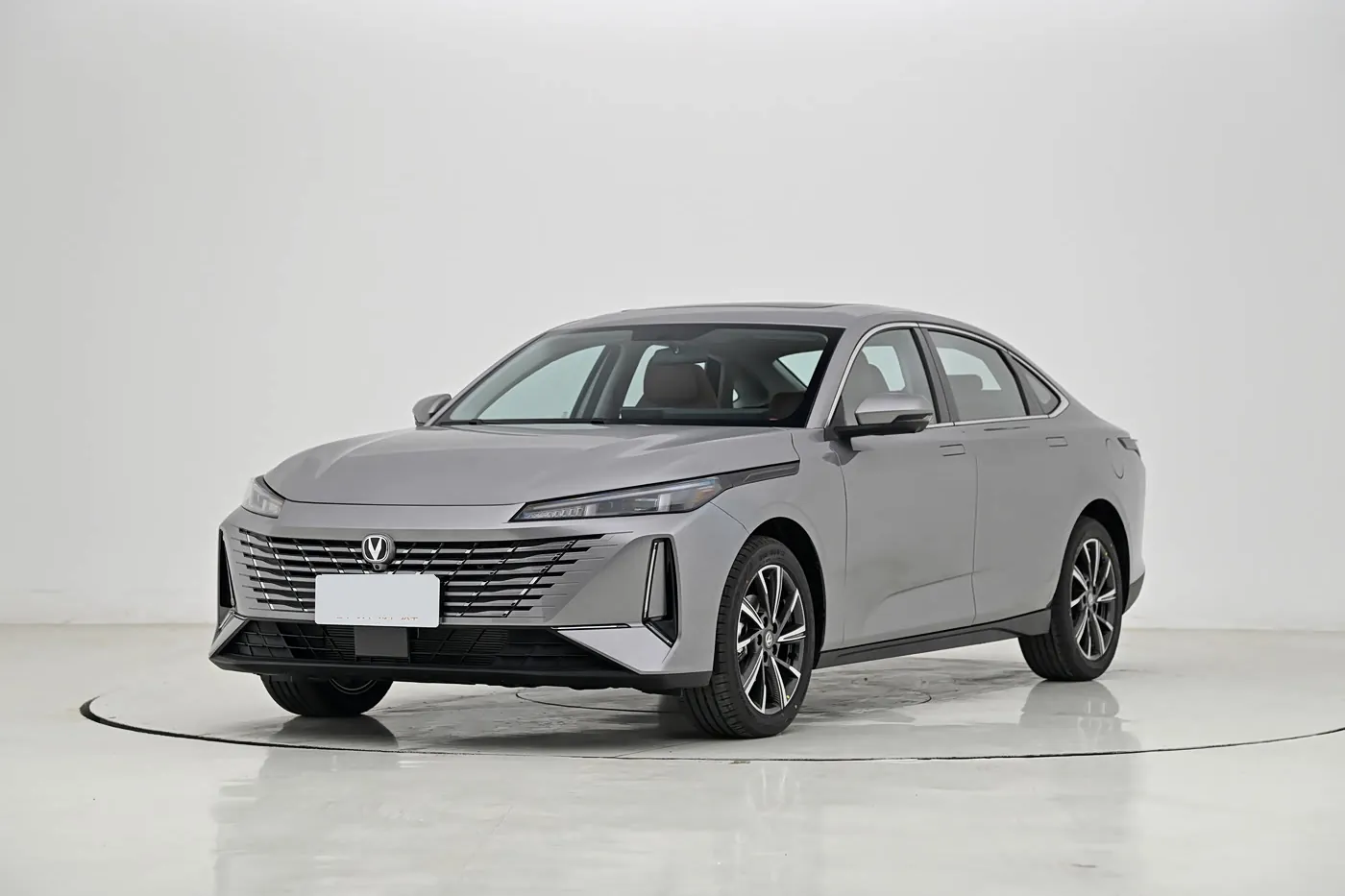
EADO · Used · inspected
2024 Changan EADO
Used 2024 EADO 1.5T and EADO Plus 1.4T, inspected before export
- Engine
- 1.5T / 1.4T
- Power
- 160–170 PS
- Boot
- 500–520 L
Vehicle price
Request current quote
Keep reading

· 8 min read
Changan EADO for Taxi & Fleet Operations — 3-Year Running Costs & Shipping Guide
How much fuel does each EADO use over 180,000 km? A worked comparison for taxi and fleet buyers, plus the trims and shipping options that keep costs down.
· 6 min read
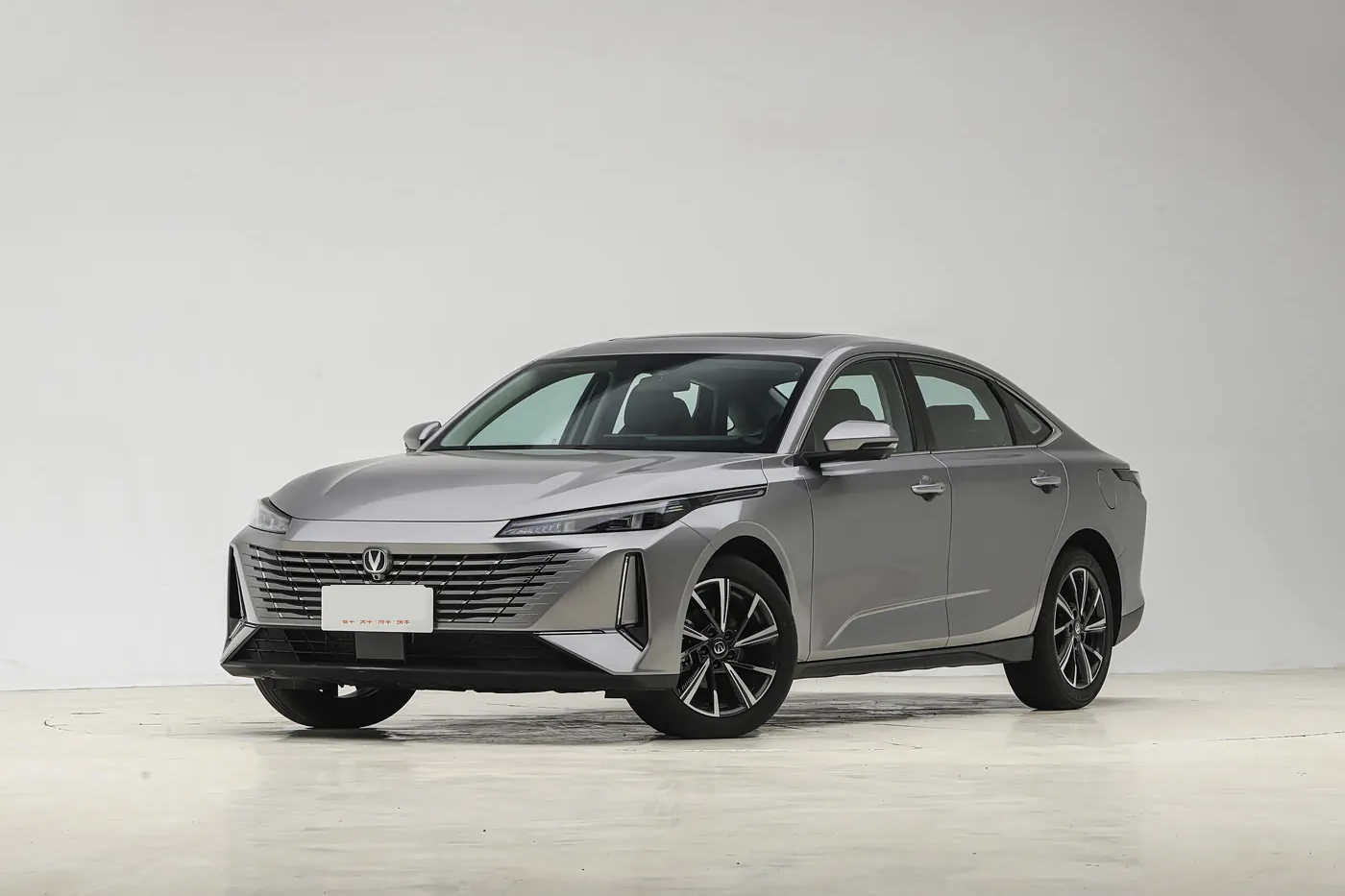
Is the Changan EADO Worth Buying? 3 Things Buyers Should Know First
The EADO is good value, but the right version matters. Three things to check before you order — and who should buy something else.